Banking

UPI Fraud in India: How the Common Scams Work and How Money Is Recovered
No UPI scam can take money without your PIN - which is why every one of them is built to make you enter it. The six patterns in use, the golden hour after a fraud, and the complaint path that actually recovers money.

RuPay Credit Cards on UPI and Credit Lines: What Changes for You
You can now pay from a credit card or a pre-sanctioned credit line by scanning a QR code. Convenient, and it turns everyday spending into borrowing. How each works, the charges, and what to watch.

Bank Charges You Are Probably Paying Without Knowing
Minimum balance penalties, debit card annual fees, SMS charges and ATM limits quietly take money from crores of accounts. Which charges exist, how to get them waived, and what to check on your own statement.
Taking Back Control of Your Auto-Debits
The average household is paying for four things it stopped using. Finding them takes one afternoon with a statement and two app screens.

Online Scams in India: How They Work and What to Do If You Are Hit
The common frauds all rely on urgency and a request to install, approve or share something. The patterns to recognise, the settings that block most attacks, and the first hour after money leaves your account.

NRI Banking and Investment in India: NRE, NRO and What Changes
Becoming an NRI changes which accounts you may hold, how your income is taxed and what you can invest in. The account types explained, the conversions you must do, and the common compliance mistakes.

Joint Bank Accounts: Choosing the Mandate and Knowing the Risk
Either or survivor, former or survivor, or jointly — the mandate decides who can operate and what happens on death. And the interest is taxed to whoever's money it is, not split in half.

Breaking a Fixed Deposit Early: What It Actually Costs
The penalty is the small part. The expensive part is that the bank recalculates your entire interest at the rate for the period you actually held it.
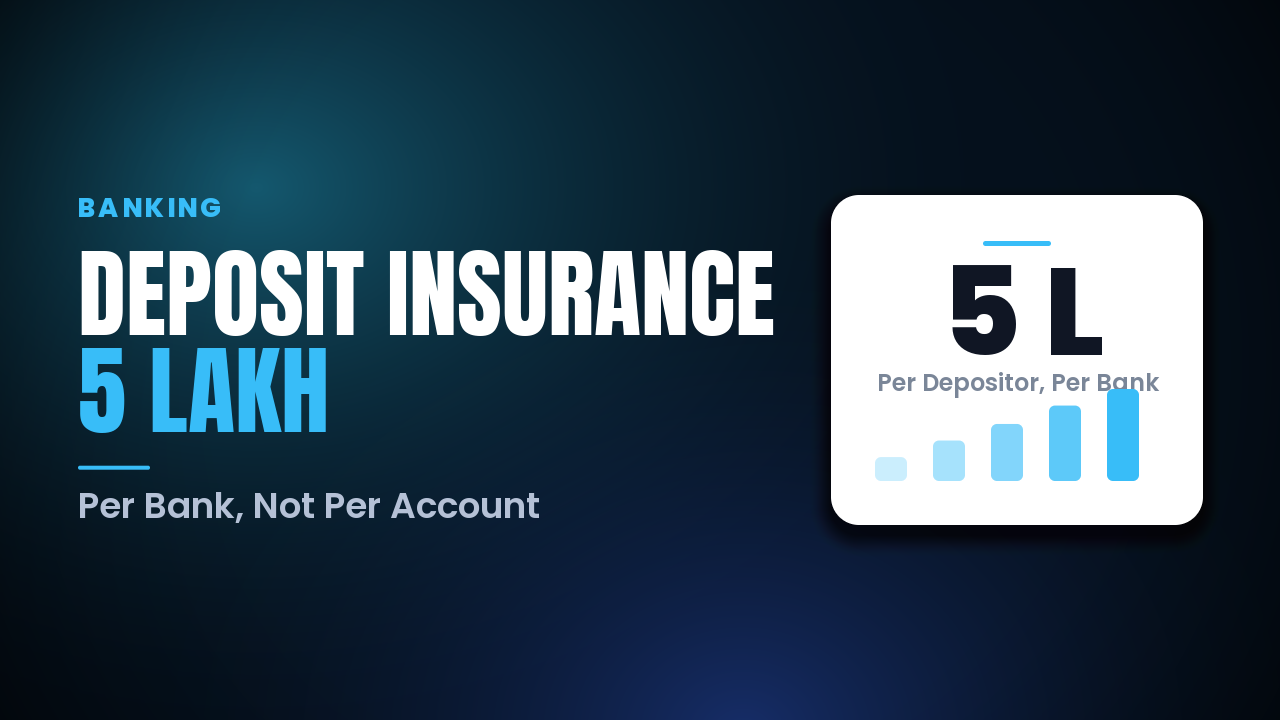
Deposit Insurance: The Five Lakh Limit and How to Work Around It
Five lakh per depositor per bank, including the interest — not per account and not per branch. The accounts that count separately, and the deposits that are not covered at all.

Fixed Deposits vs Debt Mutual Funds: Where to Keep Money You Will Need Soon
An FD gives a guaranteed rate and taxes the interest every year. A debt fund gives a market-linked return with more liquidity. How to choose by time horizon, and the categories to avoid entirely.






