- Introduction: Healthcare Costs Are Rising Faster Than You Think
- The Changing Healthcare Landscape in India
- Key Trends in 2026:
- What Is Health Insurance and Why It Matters More in 2026
- Why It’s Critical Now:
- Types of Health Insurance Plans Available in India (2026)
- 1. Individual Health Insurance
- 2. Family Floater Plans
- 3. Senior Citizen Health Insurance
- 4. Critical Illness Insurance
- 5. Group Insurance (Employer-Provided)
- What Does Health Insurance Cover in 2026?
- What Has Changed in Health Insurance by 2026?
- Key Changes:
- The Real Cost of Not Having Health Insurance
- How Much Coverage Do You Actually Need in 2026?
- Recommended Coverage:
- Common Mistakes Indians Make While Buying Health Insurance
- ❌ Buying Only for Tax Saving
- ❌ Choosing the Cheapest Plan
- ❌ Ignoring Waiting Periods
- ❌ Relying Only on Employer Insurance
- Smart Factors to Check Before Buying a Policy
- ✔ Claim Settlement Reputation
- ✔ Network Hospitals Near You
- ✔ Room Rent Limits
- ✔ No-Claim Bonus Benefits
- ✔ Lifetime Renewability
- Health Insurance Is Becoming a Lifestyle Product
- Unique Insight: Health Insurance Is Actually Financial Planning
- Who Should Buy Health Insurance First?
- Final Thoughts: Health Insurance in India Is No Longer Optional
Introduction: Healthcare Costs Are Rising Faster Than You Think
A single hospitalization in India today can cost more than a family’s yearly savings. From diagnostic tests to ICU care, medical inflation is growing at nearly double the general inflation rate. That’s exactly why understanding Health Insurance in India: Complete Guide for 2026 is no longer optional—it’s essential financial planning.
Whether you’re a young professional, a parent supporting a family, or someone planning long-term security, health insurance is now as important as savings, investments, or property.
This guide breaks down everything you need to know in 2026—how health insurance works, what’s changed in India, what to look for in a plan, and how to make smarter decisions.
The Changing Healthcare Landscape in India

4
India’s healthcare system has improved dramatically—but quality treatment comes at a cost.
Key Trends in 2026:
- Medical costs rising 10–14% annually
- Lifestyle diseases appearing earlier (30s & 40s)
- Private hospitals becoming primary treatment centers
- Preventive healthcare gaining importance
- Digital health records and cashless claims becoming standard
Today, treatment is accessible—but affordability depends heavily on insurance coverage.
What Is Health Insurance and Why It Matters More in 2026
Health insurance is a financial agreement where:
- You pay a premium regularly.
- The insurer covers hospitalization and treatment costs.
- You avoid paying large unexpected expenses from your pocket.
Why It’s Critical Now:
In 2005, people bought insurance after turning 45.
In 2026, experts recommend buying it before 30.
Because:
- Diseases are lifestyle-driven, not age-driven.
- Early insurance means fewer restrictions later.
- Waiting periods get completed while you’re healthy.
Types of Health Insurance Plans Available in India (2026)


4
Choosing the right type of plan is the first major decision.
1. Individual Health Insurance
Covers a single person with a dedicated sum insured.
Best For: Young professionals or individuals with specific medical needs.
2. Family Floater Plans
One policy covers the entire family under a shared limit.
Best For: Cost-effective protection for spouses and children.
3. Senior Citizen Health Insurance
Designed for parents aged 60+ with specialized coverage.
Best For: Families wanting independent coverage for aging parents.
4. Critical Illness Insurance
Provides a lump sum payout for serious illnesses like:
- Cancer
- Heart attack
- Stroke
- Kidney failure
Best For: Extra financial protection beyond hospitalization.
5. Group Insurance (Employer-Provided)
Common but limited.
Important Insight:
Never rely only on company insurance—it ends when you switch jobs.
What Does Health Insurance Cover in 2026?
Here’s what most modern policies include:
| Coverage Feature | Included in Most Plans | Why It’s Important |
|---|---|---|
| Hospitalization | Yes | Covers major medical bills |
| Pre & Post Treatment | 30–180 days | Tests & follow-ups |
| Daycare Procedures | Yes | No overnight stay needed |
| ICU & Surgery Costs | Yes | High-cost treatments |
| Ambulance Charges | Limited | Emergency transport |
| Preventive Checkups | Increasingly common | Early diagnosis |
| Cashless Treatment | Wide network | No upfront payment |
What Has Changed in Health Insurance by 2026?
India’s insurance sector has evolved significantly due to regulatory reforms and digital transformation.
Key Changes:
✔ Faster claim approvals through digital processing
✔ Standardized policy wordings for better transparency
✔ Coverage for modern treatments (robotic surgery, etc.)
✔ Increased focus on preventive healthcare
✔ Wellness rewards and premium discounts for healthy lifestyles
Insurance is shifting from “sickness coverage” to “health management.”
The Real Cost of Not Having Health Insurance
Let’s compare a real-world scenario:
| Situation | Without Insurance | With Insurance |
|---|---|---|
| Dengue Hospitalization | ₹1.5 lakh expense | Mostly covered |
| Heart Surgery | ₹4–6 lakh from savings | Covered under policy |
| Emergency ICU | Financial stress | Cashless treatment |
| Long-Term Impact | Debt or investment loss | Financial stability |
The biggest risk isn’t illness—it’s the financial disruption illness causes.
How Much Coverage Do You Actually Need in 2026?
Many Indians still buy ₹3 lakh policies—which are insufficient today.
Recommended Coverage:
- Tier-2 & Tier-3 Cities: ₹5–10 lakh minimum
- Metro Cities: ₹10–20 lakh recommended
- Family with Parents: ₹25 lakh combined protection
Medical inflation means today’s ₹5 lakh may equal ₹2 lakh value in 10 years.
Think long-term, not short-term affordability.
Common Mistakes Indians Make While Buying Health Insurance
❌ Buying Only for Tax Saving
Insurance is not a tax-saving tool—it’s risk protection.
❌ Choosing the Cheapest Plan
Low premium often means:
- High exclusions
- Limited hospitals
- Large co-payments
❌ Ignoring Waiting Periods
Pre-existing diseases may require 2–4 years before coverage begins.
❌ Relying Only on Employer Insurance
Job change = coverage gone.
Smart Factors to Check Before Buying a Policy
Here’s a practical checklist for 2026 buyers:
✔ Claim Settlement Reputation
Indicates insurer reliability and service quality.
✔ Network Hospitals Near You
Cashless access matters more than policy price.
✔ Room Rent Limits
Hidden caps can increase out-of-pocket expenses.
✔ No-Claim Bonus Benefits
Rewards you with higher coverage over time.
✔ Lifetime Renewability
Essential as healthcare needs grow with age.
Health Insurance Is Becoming a Lifestyle Product


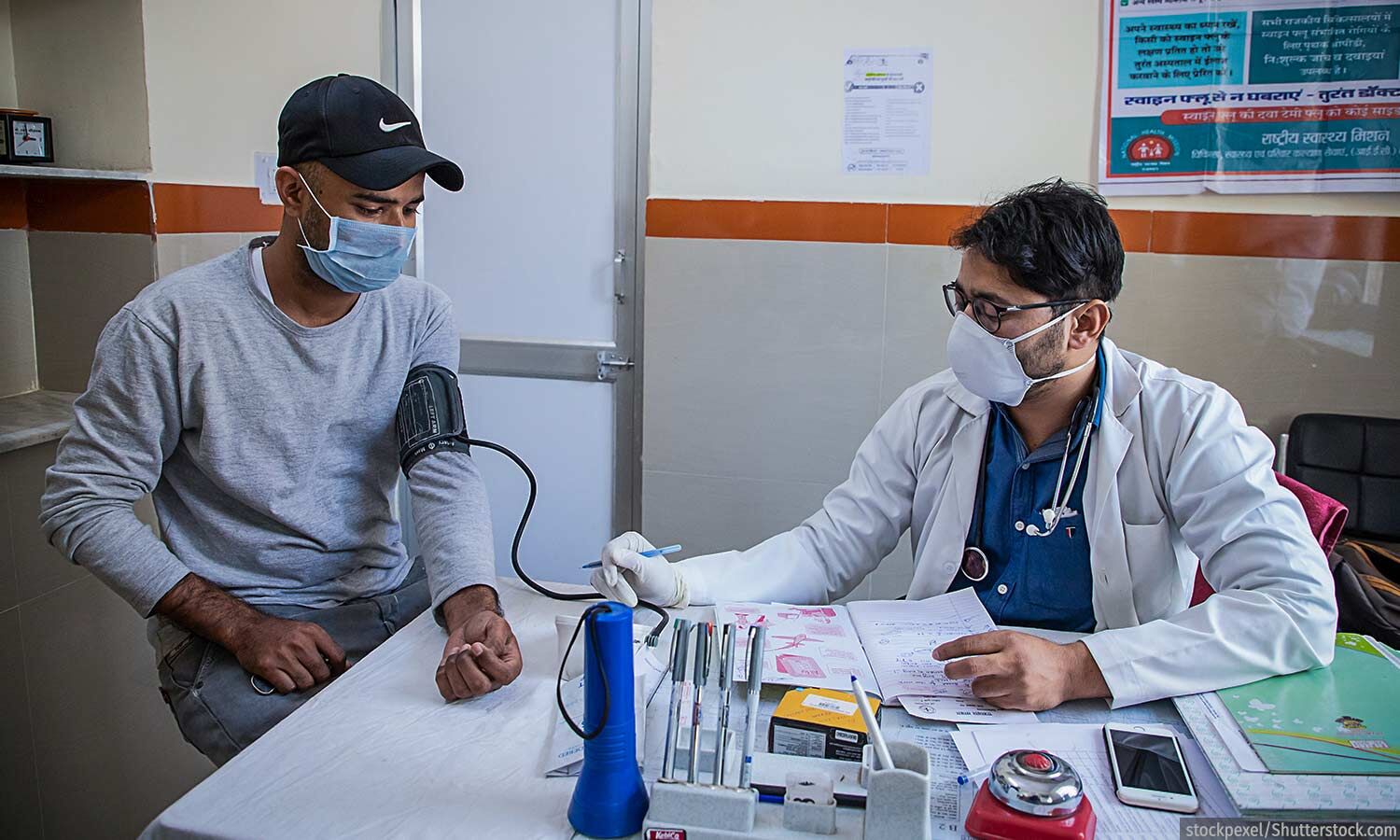
4
Modern policies now encourage healthier living through:
- Free annual health checkups
- Discounts for fitness tracking
- Wellness programs
- Telemedicine consultations
Insurance companies are investing in keeping you healthy—not just treating illness.
Unique Insight: Health Insurance Is Actually Financial Planning
Most people see health insurance as an expense.
In reality, it’s asset protection.
Consider this:
If you’ve invested ₹10 lakh over years and a medical emergency consumes ₹6 lakh, your financial growth resets.
Health insurance protects:
- Your investments
- Your emergency fund
- Your family’s financial future
It works silently in the background—until the day you truly need it.
Who Should Buy Health Insurance First?
Priority order for Indian households:
1️⃣ Primary earning member
2️⃣ Spouse and children
3️⃣ Parents (separate senior plan recommended)
4️⃣ Self-employed individuals (highest priority)
5️⃣ Young adults starting careers
Earlier purchase = lower premiums + better coverage acceptance.
Final Thoughts: Health Insurance in India Is No Longer Optional
Understanding Health Insurance in India: Complete Guide for 2026 is about adapting to a new reality.
Healthcare today is advanced—but expensive.
Medical emergencies are unpredictable—but financial preparedness doesn’t have to be.
Health insurance is no longer just protection—it’s planning, stability, and peace of mind.
The smartest families in 2026 aren’t asking “Do we need insurance?”
They’re asking “Do we have enough coverage?”